In logistics, time isn’t just valuable; it’s profit. When your trucks sit in traffic or burn fuel on unnecessary miles, you’re not just losing time; you’re watching your margins evaporate in real time. For trucking companies moving containers through the Port of Elizabeth, the distance between your yard and the terminal can determine whether your day runs smoothly or spirals into chaos. So, what if you could cut that distance down to just five minutes?
The answer isn’t just convenience. It’s a complete transformation of how efficiently your operation can run.
Faster Turnarounds Mean More Revenue per Shift
When drivers spend less time travelling between the yard and the port, they spend more time doing what actually generates income: moving containers. That’s why a facility positioned minutes from the Port of Elizabeth transforms the rhythm of your entire operation.
Your drivers can complete quicker drop-off and pick-up cycles, squeeze additional moves into each shift, and virtually eliminate the risk of missing critical port appointment windows. Picture this: instead of two containers per day, your driver manages three. Over a week, that’s five extra moves. Over a month? Twenty additional revenue-generating trips—without adding a single truck to your fleet.
This efficiency doesn’t just improve your bottom line. It creates breathing room in your schedule, reduces driver stress, and gives dispatchers the flexibility they need when port delays inevitably occur. When the yard is near, small windows of opportunity become achievable instead of theoretical.
Cut Fuel Costs and Extend Equipment Life
Shorter distances translate directly into dollars saved. Deadhead trips (those empty runs between yard and terminal) represent one of the most frustrating operational expenses carriers face. Every unnecessary mile adds up across your fleet.
Staying close to the port helps lower fuel consumption dramatically, decreases wear on tires, brakes, and engines, and reduces the cumulative cost of fleet maintenance over time. For owner-operators running tight margins, these savings can mean the difference between profitability and struggle. For larger carriers managing hundreds of trucks, the numbers become impossible to ignore.
Rather than viewing proximity as a minor perk, consider it an investment that pays dividends with every single container move. Your trucks last longer. Your maintenance budget stretches further. Your fuel line item shrinks month after month.
Escape the New Jersey Congestion Trap
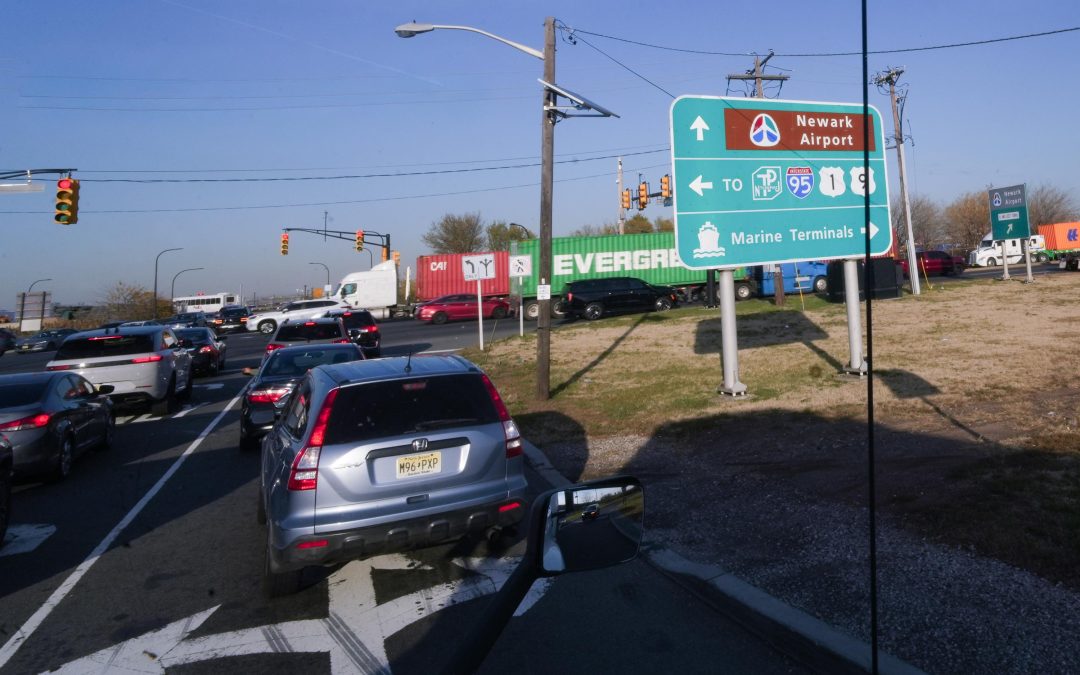
The Newark–Elizabeth port district ranks among the busiest and most congested industrial corridors on the East Coast. During peak hours, the New Jersey Turnpike and surrounding freight routes become parking lots punctuated by occasional movement. Your drivers know this frustration intimately.
A nearby yard minimizes your exposure to peak-hour traffic nightmares, unexpected detours around perpetual construction zones, and the bottlenecks that form near container terminals. Each minute your drivers aren’t stuck in traffic is a minute they can dedicate to productive work.
Of course, you can’t eliminate congestion entirely. This is New Jersey, after all. But you can choose not to spend unnecessary time fighting through it. When your yard sits five minutes from the port, traffic becomes a manageable inconvenience rather than a daily operational crisis.
Give Dispatchers the Predictability They Crave
Port work rarely follows the script. Vessels arrive late, appointments shift, equipment breaks down. Dispatchers already juggle enough variables without adding distance-related complications to the mix. A container yard close to the port provides the stability that makes their challenging job slightly more manageable.
With a nearby facility, your dispatch team can plan tighter schedules with confidence, build realistic buffer times that actually work, reassign drivers efficiently when plans change, and respond quickly when port delays cascade through the day. When the yard is far from the port, a minor 30-minute delay becomes a major disruption that affects multiple loads. When it’s five minutes away, that same delay barely registers.
This predictability improves customer satisfaction, strengthens relationships with shippers, and builds your reputation for reliability in a market where dependability sets carriers apart.
Turn Peak Season Chaos into Competitive Advantage
When volumes surge during holiday cycles, when vessels bunch up after weather delays, or when labor disruptions create sudden backlogs, the ability to stage containers close to the port transforms from convenience into necessity.
A strategically positioned yard helps your operation avoid the long queues caused by excessive back-and-forth traffic, drop containers and reset quickly for the next move, and take full advantage of off-peak operating hours without sacrificing efficiency. Your drivers stay ready, your equipment stays productive, and your customers stay happy, even when chaos surrounds you.
During these pressure-cooker periods, carriers with distant yards struggle while those positioned near the port thrive. Being close isn’t just an advantage during peak season. It’s the difference between capturing opportunity and losing it to competitors.
Enable Modern Logistics Strategies
Today’s shippers increasingly rely on pre-pulls to avoid costly demurrage charges and short-term storage to create operational flexibility. A yard near the Port of Elizabeth makes these strategies seamless rather than complicated.
Your facility can smoothly handle pre-pull operations that save shippers money, execute last-mile drayage with precision timing, provide weekend staging when terminals are closed, and turn around export loads rapidly to meet tight vessel schedules. The closer your yard sits to the action, the more valuable these services become to your customers.
Rather than saying «we can try to make that work,» you can confidently commit to tight turnarounds and creative solutions that distance-burdened competitors simply cannot match.
Deliver the Speed and Reliability Customers Demand
Your customers don’t care about your operational challenges; they care about results. When you use a yard positioned minutes from the Port of Elizabeth, you can deliver what they value most: faster service that respects their time, more predictable deliveries they can plan around, and lower cost structures you can pass along as competitive pricing.
In a crowded market where dozens of carriers compete for the same freight, these advantages separate the thriving companies from those barely surviving. Speed and reliability are the foundation of customer loyalty and long-term growth.
Every decision in logistics carries consequences that ripple through your entire operation. Choosing a yard positioned for maximum efficiency might be the smartest operational move your fleet makes this year. When location works this hard for you, why would you settle for anything less?