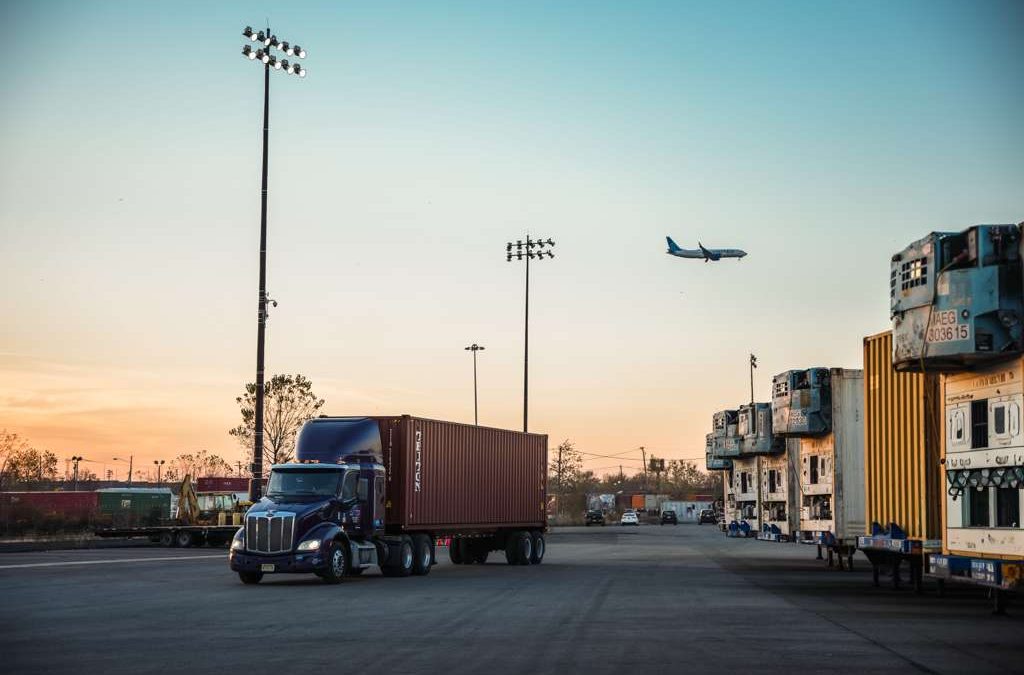
At high-volume ports like the Port of Elizabeth, time doesn’t just matter. It defines profitability. Every delay caused by peak-hour congestion, unpredictable gate queues, or chaotic traffic flows chips away at efficiency and inflates operating costs for truckers and terminal operators alike. The traditional approach of showing up and hoping for the best no longer works in an environment this complex and fast-moving.
Pre-reservation systems, often called truck appointment systems or Vehicle Booking Systems, have evolved from experimental tools into essential infrastructure. They’re reshaping how container movements flow through ports, and the carriers adopting them early are capturing advantages their competitors haven’t yet recognized.
Controlled Arrivals Eliminate Gate Chaos
Without appointment systems, truck arrivals spike unpredictably throughout the day. Early morning rushes overwhelm the gates. Mid-afternoon lulls waste terminal capacity. Drivers sit in lines that stretch for blocks, burning fuel while watching appointment windows close.
Pre-reservation systems fundamentally change this pattern by distributing traffic evenly across available time slots. Terminals no longer face crushing peaks followed by empty periods. Drivers no longer gamble on whether they’ll wait five minutes or two hours.
For truckers, this means faster terminal entry and schedules they can actually plan around. For terminal operators, it means stable workloads that let equipment and personnel operate at sustainable efficiency levels.
Terminals Prepare Before Drivers Arrive
When drivers book specific time slots, terminals gain advance knowledge about exactly who’s coming, when they’ll arrive, and what service they need. Import pickup, export drop, chassis exchange, reefer handling… Each requires different resources and preparation.
This visibility allows terminals to pre-stage containers near pickup points, allocate yard equipment strategically, and minimize driver dwell time inside terminal boundaries. Instead of wandering between container stacks or waiting while equipment gets repositioned, drivers follow efficient paths designed in advance. A driver who previously spent ninety minutes inside the terminal now completes the same pickup in thirty-five minutes.
Dispatchers Gain Planning Power
Dispatching port work traditionally feels like managing controlled chaos. Vessel delays shift container availability unpredictably. Queue lengths fluctuate wildly. Dispatchers spend their days reacting to problems instead of preventing them.
Pre-reservation systems flip this dynamic entirely. Dispatchers suddenly have access to predictable driver schedules, real-time visibility into appointment availability, and the ability to optimize routes around confirmed times. Customer communication improves because commitments become reliable rather than aspirational.
Rather than constantly firefighting unexpected delays, dispatchers can focus on strategic planning that improves overall fleet performance.
Terminals and Truckers Finally Align
Ports and drayage carriers often operate as if they’re on different planets. Terminals make decisions based on vessel schedules. Truckers make decisions based on customer deadlines. These priorities rarely align naturally.
Reservation systems create structured frameworks where both sides communicate through a shared platform. Terminals gain visibility into upcoming workload patterns, allowing better staffing decisions. Truckers experience smoother operations with fewer mid-day surprises that derail carefully constructed plans.
Penalty Fees and Missed Appointments Drop
Unpredictable port queues create expensive cascading problems. Drivers miss scheduled appointments. Pickups happen late. Demurrage charges accumulate. Customers grow frustrated.
Pre-reservation systems attack this directly by providing confirmed entry times with built-in buffer windows and priority treatment during reserved slots. Drivers arrive knowing they’ll get through gates efficiently. The financial impact shows up immediately in reduced penalty fees and improved customer retention rates.
Driver Satisfaction Rises
Drivers value predictability above almost everything else. Shortened wait times reduce stress and fatigue. Eliminating gate queues improves safety by preventing drivers from idling in extreme weather. Structured days let drivers plan their lives around work instead of constantly adapting to chaos.
Companies struggling with driver retention should pay attention. Pre-reservation systems contribute directly to improved driver morale through less idle time in uncomfortable conditions, reduced fatigue from endless waiting, and fewer operational headaches during each shift. Happy drivers stay longer and perform better.
Efficiency Becomes Your Competitive Weapon
Carriers leveraging appointment systems effectively complete more container moves per driver per day. They offer customers more reliable service with measurable on-time performance improvements. They optimize fuel consumption and labor costs through better scheduling.
These advantages translate into higher revenue per driver, elevated customer satisfaction that leads to repeat business, more flexible fleet deployment, and performance metrics that differentiate you from competitors. In the Elizabeth/Newark port ecosystem, where dozens of carriers compete for the same freight, operational efficiency separates thriving companies from those perpetually struggling.
The Infrastructure Modern Ports Require
As ports continue expanding and vessels grow larger, managing truck traffic efficiently stops being optional. Pre-reservation systems solve the fundamental problem of uncontrolled, unpredictable arrivals that create bottlenecks throughout the supply chain.
For trucking companies, these systems deliver measurably less waiting and fuel waste, increased daily load capacity, and the predictable operations that both drivers and dispatchers want. For terminals, they enable smoother operations with more efficient use of expensive personnel and equipment.
The carriers and terminals adopting these systems now are building foundations for future growth. Those waiting risk falling behind competitors who’ve already discovered that controlled flow beats chaos every single time.